





















 (800) 871-0285
How Deep Can a Metal Detector Detect Gold?
Gold prospecting is one of the most exciting hobbies for treasure hunters and outdoor explorers. Many beginners and experienced detectorists ask the same question: how deep can a metal detector detect gold?
In truth, the depth of a gold find depends on many factors, including the type of device used, the condition of the ground, the size of the gold target, and the technology used to create the machine.
The gold detectors made today are a lot smarter and better developed than the ones made in the past. When tools get better, some can find small pieces of gold close to the ground, while others can find bigger pieces of metal several feet below.
Understanding how detection depth works will help you choose the best metal detector for deep gold detection and improve your success when searching for hidden treasure.
What Affects Metal Detector Depth?
Not all metal detectors have the same capabilities. How deep a metal detector can find gold or other metal items depends on many factors.
Size of the Gold Target
Larger gold nuggets produce stronger signals, which makes them easier to detect at deeper levels. Small flakes of gold may only be detected a few inches underground because their signal is weaker.
This is why many prospectors prefer deep gold detecting metal detectors designed to detect both small and large targets.
Soil Mineralization
Soil with a lot of minerals can make it harder to find things. In some places, rocks can mess up the readings from metal detectors.
Ground balance technology is built into modern devices to cut down on clutter and improve the accuracy of detecting.
Coil Size
The search coil plays a major role in metal detection depth.
-
Large coils detect targets deeper underground
-
Small coils are better for detecting tiny gold pieces close to the surface
Choosing the correct coil can make a big difference when using a metal detector for gold prospecting.
Detector Technology
Different technologies provide different depth capabilities.
VLF (Very Low Frequency)
VLF detectors are commonly used by beginners. They are sensitive to small metal targets but usually detect objects at moderate depths.
Pulse Induction (PI)
Pulse induction detectors are made to find things deeper and work well in cemented soil. A lot of expert gold miners like to use PI detectors to find deeper gold veins.

Examples of Deep-Searching Metal Detectors
Modern technology has significantly improved the depth capabilities of metal detectors. Some advanced detectors can detect metal objects several meters underground depending on conditions.
Below are examples of detectors used by serious prospectors.
OKM Rover C4 – Professional Deep Ground Scanner
The OKM Rover C4 is a powerful 3D ground scanner designed for professional treasure hunters and gold prospectors.
This detector uses advanced scanning technology that can locate underground structures and buried metal objects. According to the product specifications, the Rover C4 can detect objects at depths of up to 25 meters (82 feet) under the right conditions.
The detector offers several operating modes, including:
-
3D Ground Scan
-
Pinpointer
-
Magnetometer
-
Mineral Scan
Because of these features, the Rover C4 is often used for:
-
deep treasure hunting
-
gold prospecting
-
archaeological exploration

Minelab GPX 6000 – Advanced Gold Prospecting Detector
The Minelab GPX 6000 is one of the most popular detectors for serious gold hunters.
It uses advanced GeoSense-PI pulse induction technology, which improves signal detection and helps locate gold nuggets in difficult soil conditions.
The detector is also lightweight at approximately 4.6 pounds, allowing prospectors to search for longer periods without fatigue.
One of the biggest advantages of the GPX 6000 is its ability to detect:
-
small gold nuggets
-
larger gold deposits
-
deeper buried targets
Estimated Detection Depth:
-
Up to ~1.5 feet depending on soil conditions and target size
Because of this capability, many professionals consider it one of the best options for deep gold detecting metal detectors.
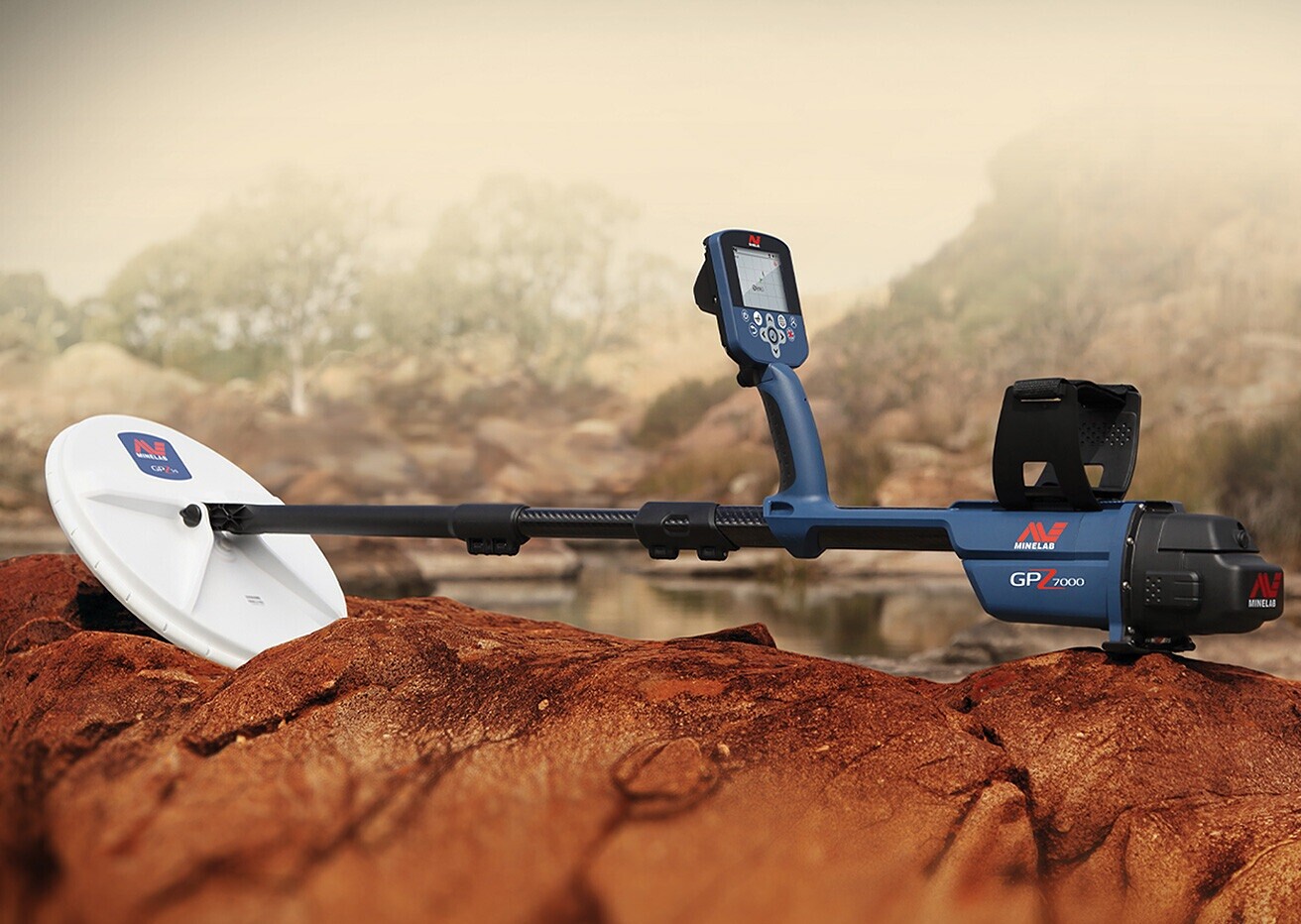
Minelab GPZ 7000 – Most powerful Gold Detector
The Minelab GPZ 7000 is one of the most powerful gold detectors ever produced and is designed specifically for serious gold prospectors.
It uses advanced ZVT (Zero Voltage Transmission) technology, which allows the detector to achieve significantly greater depth compared to traditional detectors. In fact, this technology can deliver up to 40% more depth than previous GPX series models, making it highly effective for deep gold detection.
The GPZ 7000 is built to perform exceptionally well in highly mineralized soil, where many other detectors struggle. Its advanced ground balancing system ensures stable and accurate detection even in difficult environments.
Another key advantage of this detector is its ability to detect both small gold flakes and large deep nuggets, giving prospectors a better chance of finding valuable targets that others may miss.
Estimated Detection Depth:
-
Up to ~2.5 feet, depending on soil conditions and target size
Key Features:
-
ZVT technology for deeper gold detection
-
Up to 40% more depth than older detectors
-
High sensitivity to both small and large gold targets
-
Advanced ground balancing for difficult soil
-
Built-in GPS and mapping for tracking finds
This makes the GPZ 7000 an excellent choice for anyone serious about deep gold prospecting and finding gold nuggets with a metal detector.
Minelab GPZ 8000 – Next Generation Gold Detector
The Minelab GPZ 8000 represents the next generation of gold detection technology.
This advanced machine is built for serious gold prospectors who want improved performance, better sensitivity, and enhanced depth capabilities compared to previous models.
The GPZ 8000 is expected to build on Minelab’s proven ZVT technology, offering improved signal processing and better performance in highly mineralized soil conditions. This makes it ideal for detecting gold in areas where other detectors may struggle.
It is also designed to detect both small gold nuggets and deeper buried targets, giving users a higher chance of success when searching for gold.
Estimated Detection Depth:
-
Around 2.5 feet or more, depending on soil conditions and target size
Key Features:
-
Next-generation gold detection technology
-
Improved depth and sensitivity
-
Better performance in mineralized ground
-
Suitable for professional gold prospecting
-
Designed to detect both small and large gold targets
Tips for Detecting Gold at Greater Depths
Read these tips if you want to improve your chances of finding gold goals that are deeper.
Choose the Right Detector
Using a detector designed specifically for gold prospecting greatly increases your chances of success.
Adjust Detector Settings
By setting the sensitivity and ground balance correctly, you can improve the depth of detecting and the accuracy of the signal.
Search in Gold-Rich Locations
In places where gold has been mined in the past, there are often secret gold reserves that other prospectors may have missed.
Move the Coil Slowly
The detector can better examine data when it sweeps slowly and carefully.
Final Thoughts
The depth of a metal detector varies on a lot of things, like the type of technology being used, the state of the ground, and the size of the object being looked for.
Small gold flakes might only be found close to the surface, but with more advanced devices, bigger metal items can sometimes be found several feet below the ground.
The OKM Rover C4, the Minelab GPX 6000, and the newest Minelab GPZ 8000 are all examples of how new technology is making gold mining devices work better.
Metal finding can be a fun way to find gold and other gems that have been buried. All you need is some patience, study, and the right gear.